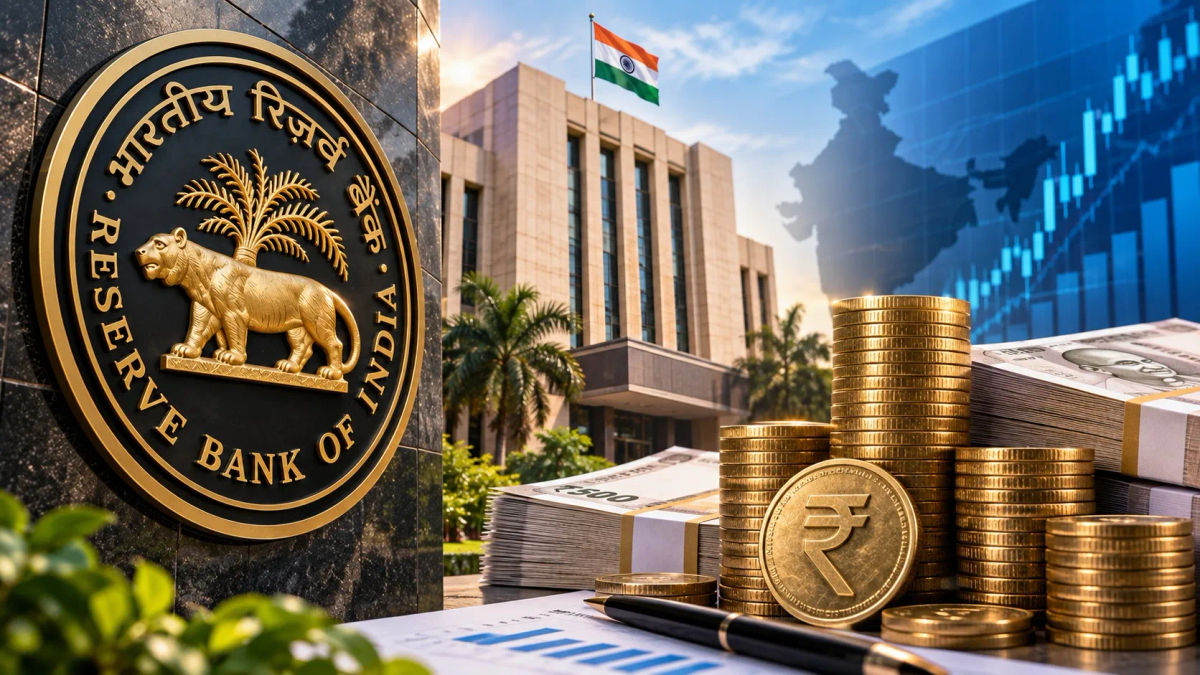
Mumbai/New Delhi: The Reserve Bank of India has announced a major liquidity-management operation, planning to sell ₹1 trillion ($10.47 billion) of government bonds in three tranches beginning September 16.
The move comes as the banking system has been dealing with unusually high levels of excess liquidity.
What exactly has RBI announced?
According to Reuters, the RBI will conduct open-market sales of government securities totalling ₹1 trillion.
The sales are scheduled in three tranches and are aimed at absorbing surplus liquidity from the financial system.
In simple terms, when the RBI sells government securities to the financial system, money moves from banks and other market participants towards the central bank, reducing the amount of cash circulating in the system.
Why does the RBI want to remove liquidity?
The current liquidity surplus has been linked partly to a $127 billion inflow under a special foreign-exchange mobilisation scheme, according to Reuters.
The surplus has been so large that overnight market rates fell below the lower end of the RBI's policy corridor.
That creates a monetary-policy management challenge because the central bank needs short-term market rates to remain aligned with its broader policy framework.
Will this affect ordinary bank customers?
The immediate operation is aimed at the financial system rather than directly targeting household deposits or loans.
However, government bond sales can influence market liquidity and bond yields.
If liquidity conditions tighten materially, borrowing costs across financial markets can respond.
The actual effect on retail loan rates will depend on broader monetary-policy conditions, banking-system liquidity and how lenders respond.
Why is oil also important?
The RBI's move comes at a time when global oil prices have been under pressure from geopolitical tensions.
Higher oil prices can matter significantly for India because the country imports a large share of its crude oil requirements.
Higher imported energy costs can put pressure on inflation and the current account, making liquidity and monetary-policy management even more important.
RBI says it has more tools available
RBI Governor Sanjay Malhotra indicated that the central bank has several tools available for managing liquidity.
The latest bond-sale decision follows other liquidity-management measures, including variable-rate operations and currency-related measures, according to Reuters.
What should markets watch next?
Markets will closely track:
Government bond yields
Overnight money-market rates
Banking-system liquidity
Inflation expectations
Oil prices
Future RBI liquidity operations
The bond sale does not by itself mean that the RBI has changed its policy rate. It is primarily a liquidity-management operation.
Bottom line
The RBI's ₹1 lakh crore bond sale is a major financial-system operation designed to bring excess liquidity under control.
For ordinary Indians, the key takeaway is that the move is not a direct withdrawal of money from people's bank accounts. Its impact will instead work through financial-market liquidity, bond yields and potentially borrowing conditions.
Source: Reuters; Reserve Bank of India.