Modi-Xi meeting puts India-China relationship back in the spotlight
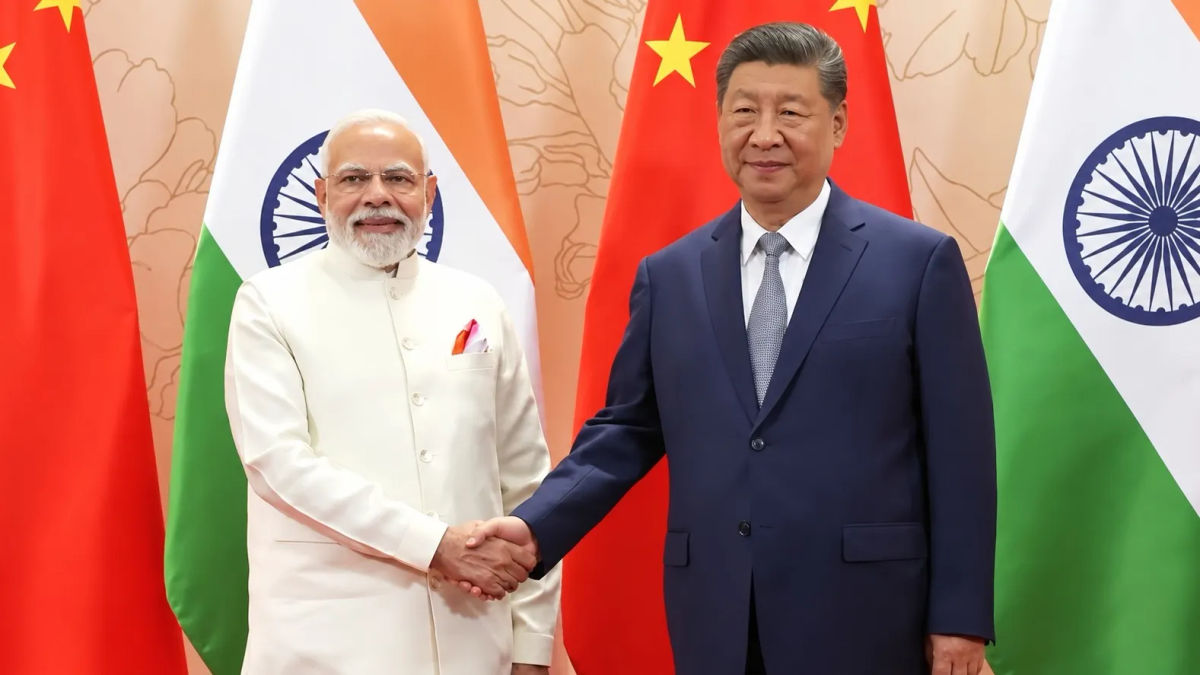
Chinese President Xi Jinping is in New Delhi for the 18th BRICS Summit, with his bilateral meeting with Prime Minister Narendra Modi emerging as one of the most closely watched diplomatic events of the summit.
China's Foreign Ministry confirmed on September 11 that India and China were arranging a bilateral meeting between the two leaders. Beijing said it wanted to strengthen communication, increase cooperation, properly manage differences and develop a relationship based on good-neighbourliness and partnership.
Xi's visit is his first to India in nearly seven years and comes at a time when relations between the two Asian powers are showing signs of a cautious recovery after the military confrontation in eastern Ladakh.
Why this Modi-Xi meeting matters
The meeting comes after years of tension following the 2020 Galwan Valley clash.
India and China subsequently reached a disengagement arrangement in 2024, allowing troops to withdraw from several confrontation points. Since then, both governments have gradually worked to restore diplomatic and economic engagement.
Reuters reports that direct flights have resumed, visa procedures have been eased and economic ties have improved. However, substantial military deployments remain along the disputed frontier and several strategic disagreements continue.
That makes Saturday's conversation important not because it automatically signals a complete India-China reset, but because it could indicate how far both sides are prepared to move towards stabilising the relationship.
Trade could be as important as the border
One of the biggest challenges is the enormous imbalance in bilateral trade.
The Indian Express reports that the two sides are looking at a possible strategic economic dialogue covering issues including India's trade deficit, market access, visas and Chinese investment in India.
China became India's largest source of imports in the 2025-26 financial year, with imports reported at around $132 billion, according to Reuters.
For New Delhi, the challenge is to gain greater market access and reduce vulnerabilities in critical supply chains while maintaining safeguards around strategic sectors.
What happens on the border will remain crucial
Economic cooperation cannot be completely separated from the security relationship.
The two countries have made progress since the 2024 disengagement agreement, but the Line of Actual Control remains disputed and both sides continue to maintain substantial military deployments.
The Indian Express reports that the leaders are expected to review recent boundary talks, including discussions around military hotlines and trans-border river issues.
A cautious thaw — not yet a full reset
The strongest takeaway before the meeting is therefore one of cautious optimism rather than a dramatic breakthrough.
China's public language is notably conciliatory, while India is approaching the engagement with a wider strategic agenda involving border stability, trade and national security.
The actual significance of the meeting will depend on what the two governments announce afterward.
What to watch after the meeting
The most important indicators will be:
Whether both sides announce concrete border-related measures.
Whether a strategic economic dialogue is formally launched.
Any movement on trade imbalance and market access.
Chinese investment and visa-related restrictions.
Whether the leaders establish a clearer roadmap for regular high-level engagement.
The BRICS summit itself runs on September 12–13 in New Delhi. India's official BRICS platform says the summit is focused on resilience, innovation, cooperation and sustainability.
Bottom line: This is potentially an important step in India-China diplomacy, but the meeting's outcome—not the optics of the meeting—will determine whether this becomes a genuine diplomatic reset.