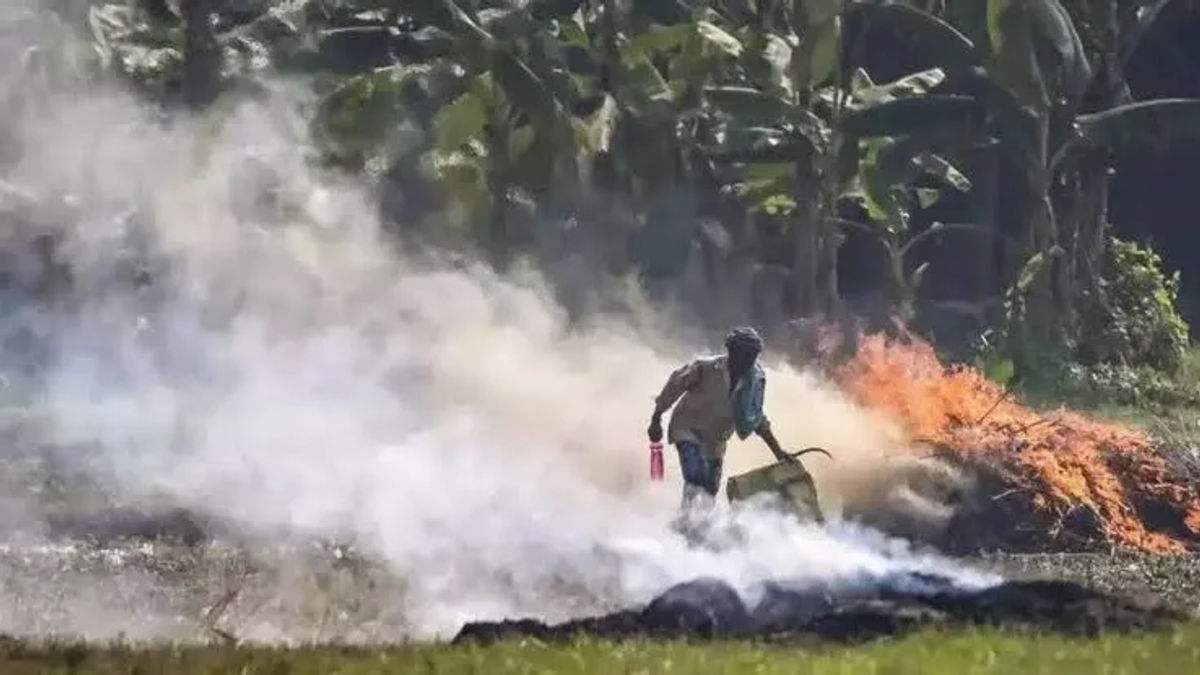
Kotputli-Behror/Sikar: Dust generated by mining and stone-crushing activities in Rajasthan's Aravalli region is increasingly becoming a serious health crisis for rural residents. Oxygen cylinders kept inside the home of 27-year-old Manisha in Syalodara village of Sikar district present a grim picture of the crisis. Her 32-year-old husband, Manjeet, worked at a stone-crushing unit and recently died after battling silicosis for more than three years.
Silicosis is a serious occupational lung disease caused by prolonged exposure to fine silica dust entering the lungs through breathing. According to the Rajasthan Health Department, there is no complete cure available for the disease, and avoiding exposure to dust is the primary measure for prevention. According to the state government, 20 districts and 34 blocks in Rajasthan are affected by silicosis.
Residents of Syalodara say that mining and stone-crushing activities have been spreading large amounts of dust into the environment for years. According to local people, several people in the village have died due to silicosis. Respiratory problems are also reportedly continuing to emerge among families living in the surrounding areas. Another affected family said that a girl living near the mining area had also started suffering from asthma.
The problem is not limited to a single village. Residents in mining-affected areas of Kotputli-Behror have also complained of breathing difficulties and other health problems associated with dust. A local survey conducted in 2023 found that out of around 928 people, 478 reported problems including skin diseases, respiratory difficulties, tuberculosis and eye irritation. The survey report said that the possible link between these problems and dust generated by mining activities required further investigation.
According to the Rajasthan government, silicosis certificates had been issued to 40,983 affected patients in the state between 2015 and December 2023. Certified patients are provided free medicines and diagnostic facilities at government hospitals. Under the government's policy, financial assistance is also available for patients and their families.
In these areas of the Aravalli region, the question of health protection is becoming increasingly serious alongside mining-related employment and the local economy. The challenge for rural residents is that the work they depend on for their livelihood is also putting a heavy burden on their health in the long term.