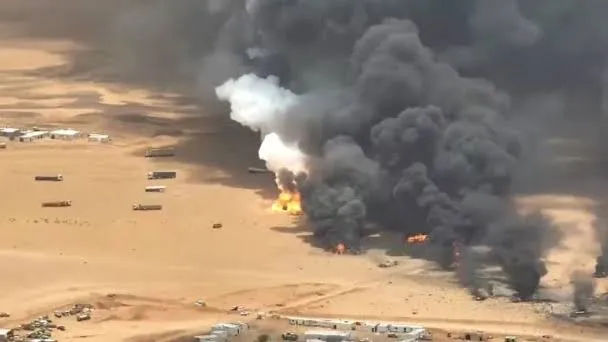
Tripoli, September 26, 2026: The United Nations has expressed serious concern over Libya’s energy and oil infrastructure. The United Nations Support Mission in Libya (UNSMIL) has warned that activities targeting or damaging the country’s energy infrastructure could provide grounds for sanctions under relevant United Nations Security Council resolutions.
The warning comes at a time when reports of disruptions affecting Libya’s important oil infrastructure have raised international concern. The oil sector is a major pillar of Libya’s economy, and oil revenues are an important source of government income. Any disruption to infrastructure linked to oil production, storage or transportation could therefore have a wider economic impact.
According to reports, disruption to the operation of a major crude oil pipeline in the country has affected oil production. The UN mission has stressed the need to ensure the security of energy facilities and oil transportation networks. The mission said disruption in the energy sector could affect not only Libya’s economy but also the availability of fuel and electricity.
Libya has long faced political and security challenges. In this environment, international organisations have repeatedly expressed concern over the security and uninterrupted operation of oil facilities. Disputes between different groups over oil resources and revenues have also emerged in the country.
The UN warning indicates that activities deliberately damaging energy infrastructure or illegally disrupting operations in the oil sector could be treated seriously. Further action could be determined after examining the circumstances of the relevant activities and establishing responsibility.
The UN mission is currently monitoring the situation in Libya. The security of energy infrastructure, continuity of oil production and stability in the country will remain important issues in the coming days. The United Nations has called on all concerned parties to avoid activities that could damage Libya’s critical energy sector.